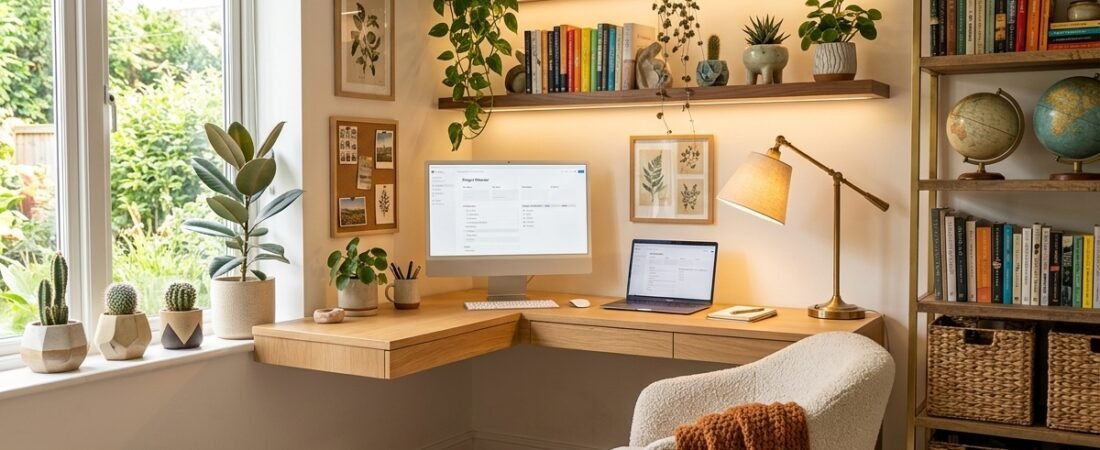
Living in a studio apartment can feel like playing a very strategic game of Tetris. Your bed, sofa, kitchen, dining area, storage, and workspace all need to coexist inside one open room, and adding a home office can seem like the final piece that simply will not fit. The good news is that you do not need a separate room to create a comfortable and productive office. You need a thoughtful layout, appropriately scaled furniture, and a willingness to use overlooked areas. The goal is not to make your studio look like a corporate office. Instead, you want to create a compact work zone that feels intentional, comfortable, and easy to put away when your workday ends. With the right approach, even a very small studio can accommodate a desk, comfortable chair, lighting, storage, and personality without sacrificing the open feeling that makes studio living enjoyable.
Why a Small Studio Office Needs a Smarter Layout
The biggest mistake you can make when creating a home office in a studio apartment is thinking only about the desk. A desk is important, but the surrounding space determines whether the setup actually works. You need enough room to pull out your chair, move around comfortably, access an outlet, store essential supplies, and visually separate work from relaxation. A studio apartment has no spare room waiting to become an office, so every square foot needs to perform more than one job.
Before buying anything, look at the entire floor plan and identify spaces that are currently underused. Could the end of a hallway hold a narrow desk? Is there a blank wall beside your bed? Could the space behind your sofa become a workstation? Is there a closet that rarely gets used? These questions often reveal possibilities that are invisible when you are simply searching for an empty corner.
A successful studio office should feel like it belongs there rather than looking like a large office dropped into a small apartment. Think of your workspace as a pocket within your home rather than an entirely separate destination. Once you start looking at your apartment this way, surprisingly useful office locations begin to appear.
How to Choose the Right Office Spot
Start by observing how you naturally use your apartment during the day. If you spend most of your time relaxing on the sofa, placing your desk directly beside it may make work and leisure feel too blended together. If you have a window with good daylight, that could be an excellent workspace location, provided your computer screen will not suffer from excessive glare.
Access to electrical outlets matters too because a beautiful desk positioned far from power can quickly become a nest of extension cords. You should also think about what you see while working. A blank wall, window, plant, or simple shelf can be easier to concentrate on than a television or messy kitchen.
One useful approach is to create a small visual boundary using a rug, lamp, shelf, plant, or room divider. It does not have to be a physical wall. Your office simply needs its own identity within the larger room.


1. Create a Compact Corner Office
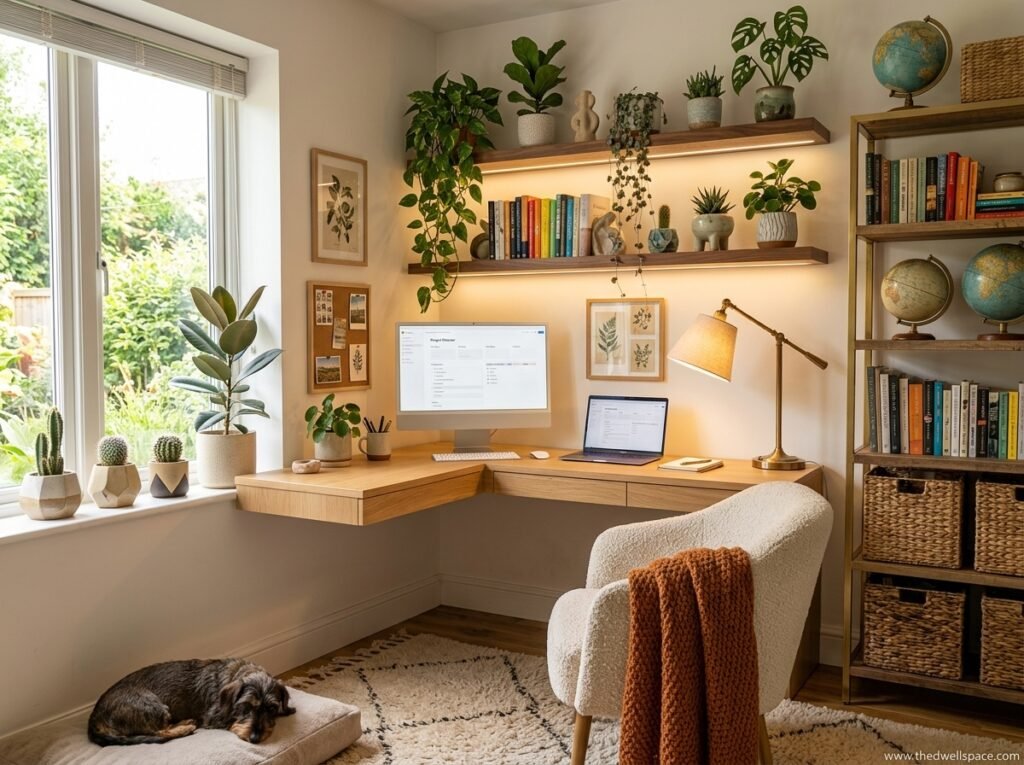
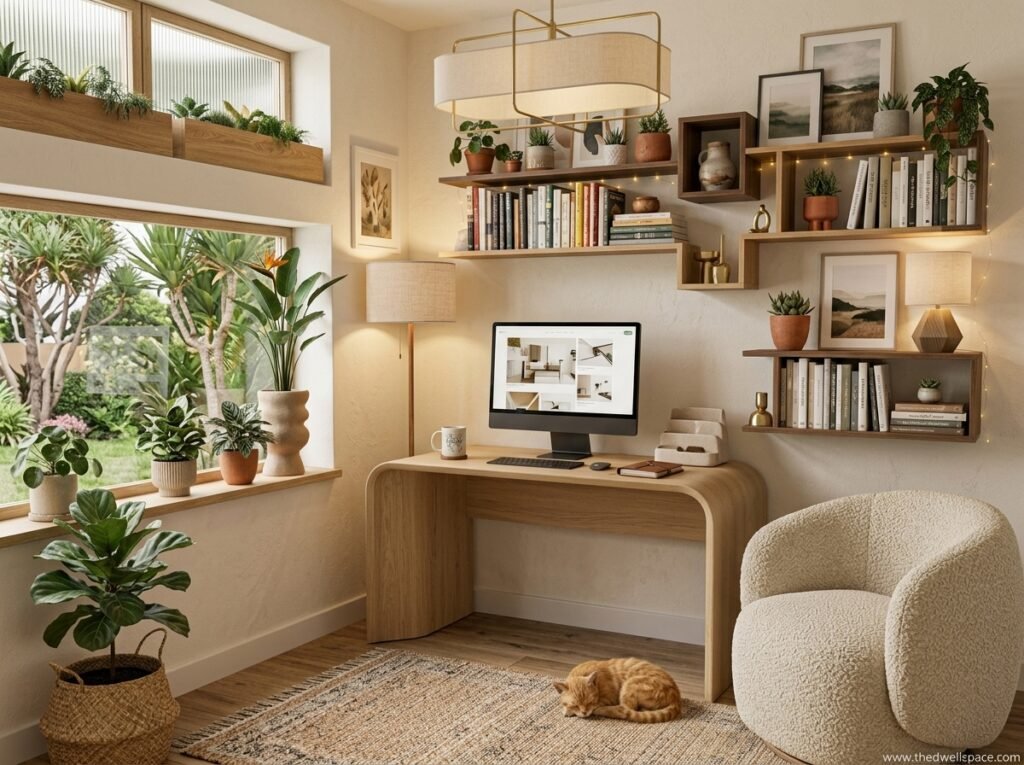
A corner is one of the easiest places to establish a home office in a studio apartment because two walls naturally create a sense of enclosure. Instead of trying to fill the entire corner with furniture, choose a narrow desk that leaves some breathing room around it. A small rectangular desk can sit against one wall while the second wall provides an opportunity for shelves, framed art, or a pegboard.
If the corner is particularly tight, a small writing desk may be enough for a laptop and notebook, while a monitor can be placed on a compact stand. The trick is to avoid turning the corner into a storage dump. Keep only the objects you use frequently on the desktop and move everything else upward onto shelves or into drawers.
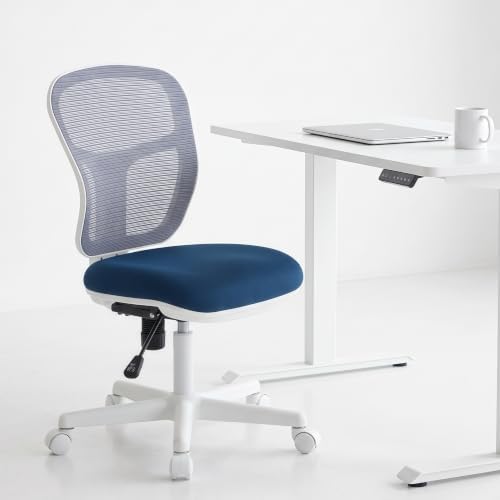
A slim chair that can slide completely underneath the desk is especially useful because it keeps the walkway clear when you are not working. You can also define the office with a small rug or task lamp, creating a visual boundary without adding a bulky partition.
Corner offices work particularly well because they use space that might otherwise remain decorative rather than functional. Add a small plant, framed print, corkboard, or attractive desk organizer, and the result feels less like a compromise and more like a deliberate little workstation tucked into your studio.

2. Install a Wall-Mounted Floating Desk
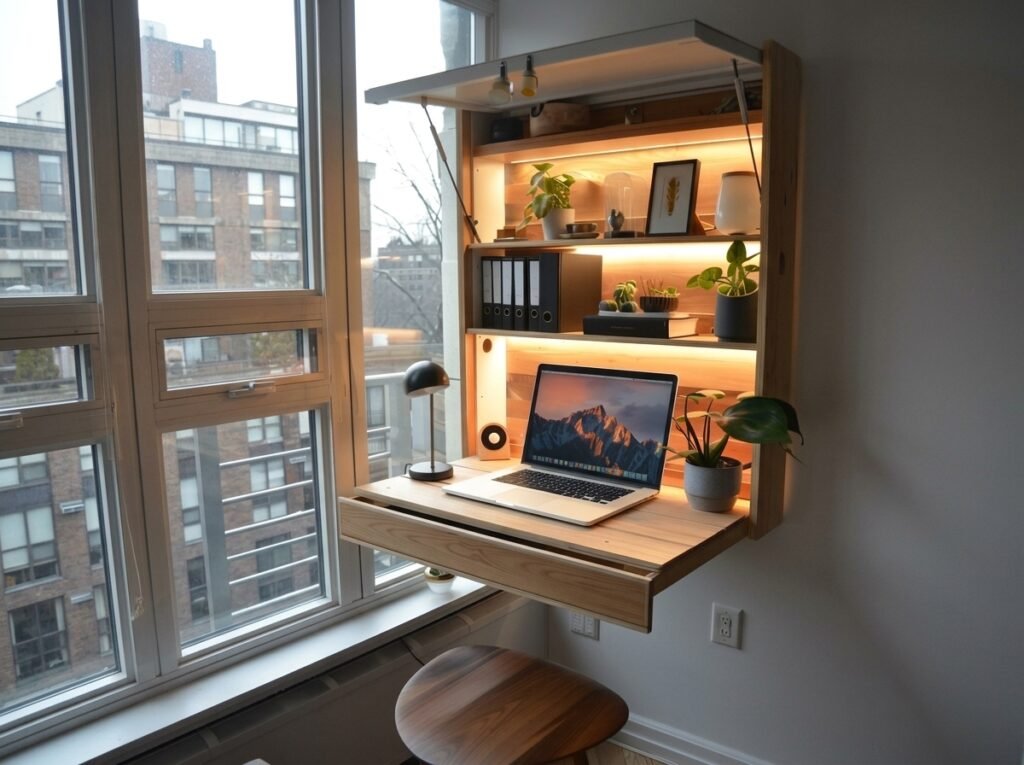
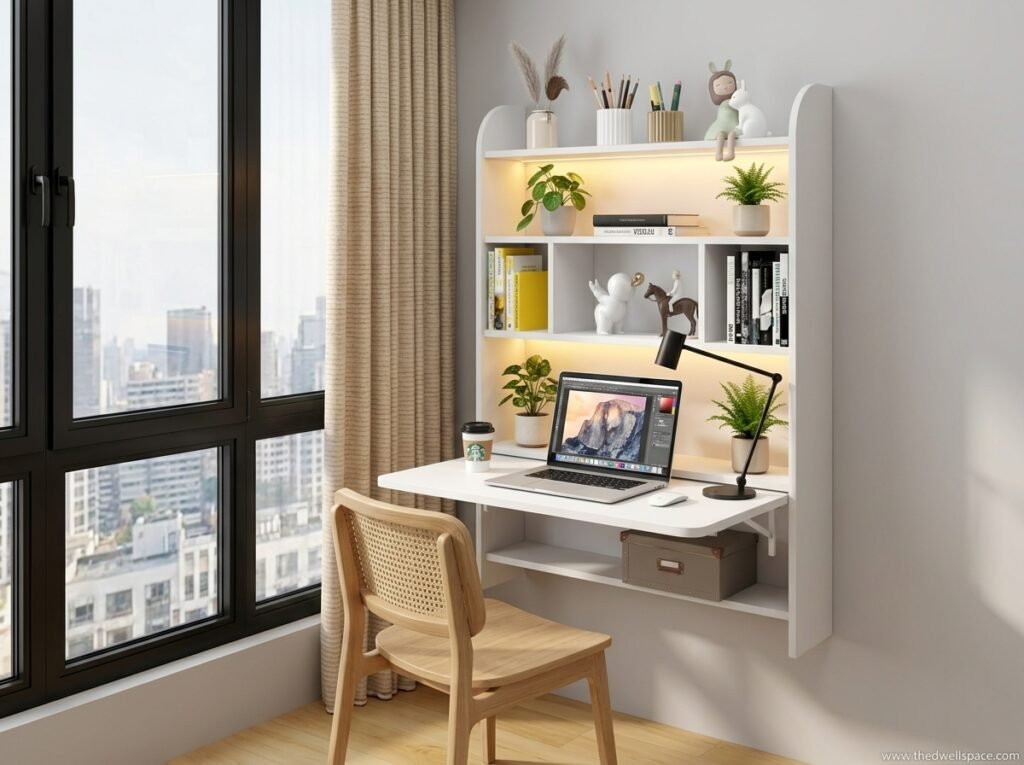
When floor space is precious, move your office upward. A wall-mounted floating desk can provide a genuine work surface without the visual bulk of four desk legs and a large cabinet underneath. This is particularly useful in studio apartments because the floor underneath remains open, making the room feel less crowded.
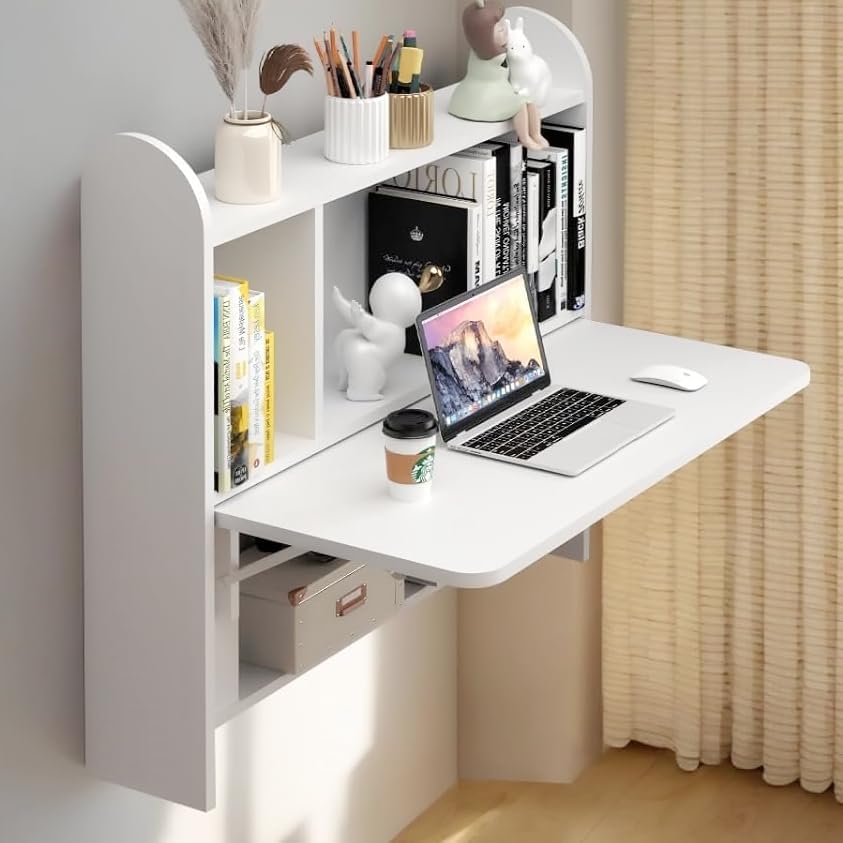
Floating desks come in many forms, from simple shelves deep enough for a laptop to larger fold-out surfaces that can support monitors and office accessories. You can pair a floating desk with a compact chair that slides underneath when the workday is over.
The wall above the desk can then become valuable storage territory with shelves, pegboards, file organizers, or small cabinets. If you rent, check your lease before drilling into the wall. Renter-friendly alternatives can include narrow freestanding desks or removable storage solutions.
The key is to keep the composition visually light. A floating desk paired with a slim chair and a few carefully selected accessories can almost disappear into the room when you are finished working.


Why Floating Furniture Works in Studios
Floating furniture works because it preserves visual floor space. Even if the actual square footage does not change, being able to see more of the floor can make a room appear more open. This principle extends beyond desks to floating shelves, wall-mounted cabinets, bedside tables, and organizers.
A conventional desk with thick legs and deep drawers can visually dominate a small room, while a slim floating surface may perform the same basic function with far less visual weight. You can make the arrangement even more effective by choosing a chair with an open base or slim profile.
The area below the desk can remain empty, giving you somewhere to move your feet while also allowing the room to breathe. Vertical storage above the desk can hold notebooks, headphones, stationery, and documents without spreading across the floor.
Just remember that floating furniture should not become an excuse to overload the walls. Too many shelves and objects can create a different type of clutter. Select a few useful pieces, maintain some empty wall space, and let the desk remain the visual center of the workstation.
3. Turn a Closet Into a Mini Home Office
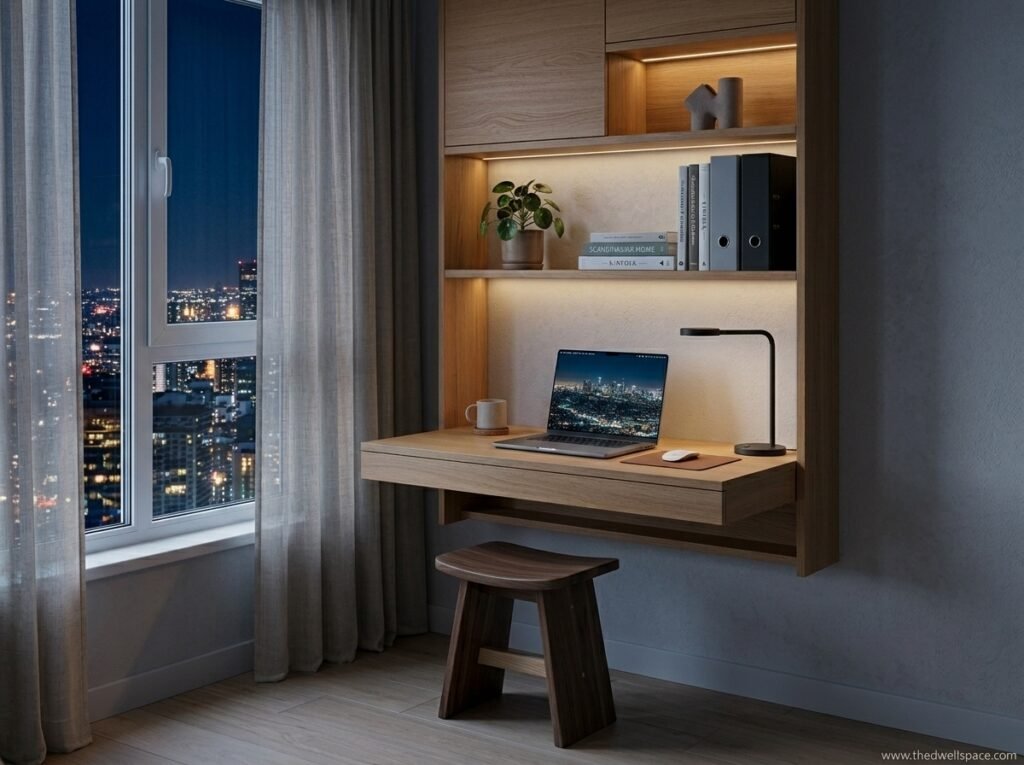
If your studio apartment has a closet that is larger than you actually need for clothing, you may already have an office hiding behind a door. A closet office, sometimes called a “cloffice,” can be an excellent solution because it provides natural separation from the rest of the apartment.
When the doors are closed, your office disappears from view, which is especially helpful at the end of a workday. Remove only what you genuinely do not need, measure the available width and depth, and determine whether a compact desk or custom work surface can fit comfortably.
You can install shelves above the desk for supplies and use vertical organizers on the side walls where appropriate. Lighting is especially important because closets frequently have limited natural light. A small adjustable task lamp can make the space much more comfortable.
The advantage is psychological as well as physical. Opening the closet can become the ritual that starts your workday, while closing it can signal that work is finished. Small-space residents have transformed closets and other overlooked areas into miniature offices, proving that an office does not need a conventional room to function effectively.


4. Place a Slim Desk Behind the Sofa
The empty strip behind a sofa is one of the most overlooked opportunities in a studio apartment. A slim desk behind the sofa can create a surprisingly polished workstation while simultaneously helping divide the living area from the office zone.
Rather than adding a separate partition, the desk itself becomes the boundary. This arrangement works best when the desk is relatively shallow and roughly aligned with the height and proportions of the sofa.
You can place a task lamp, monitor, laptop, or a few decorative objects on the surface without making the area look like a traditional office. The sofa visually separates the workstation from the rest of the room, while the desk creates a dedicated surface for work.
Cable management is critical here because exposed cords running from behind the sofa can quickly make an otherwise beautiful layout look messy. Run cables neatly along the desk and toward the nearest outlet, using discreet cable management products where appropriate.
When you finish work, close the laptop, clear the surface, and the room immediately returns to feeling like a living space.


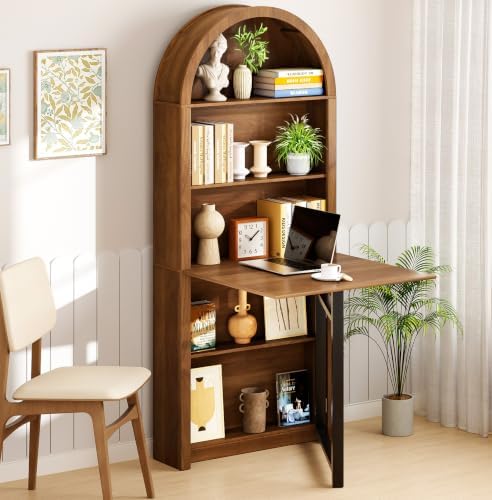
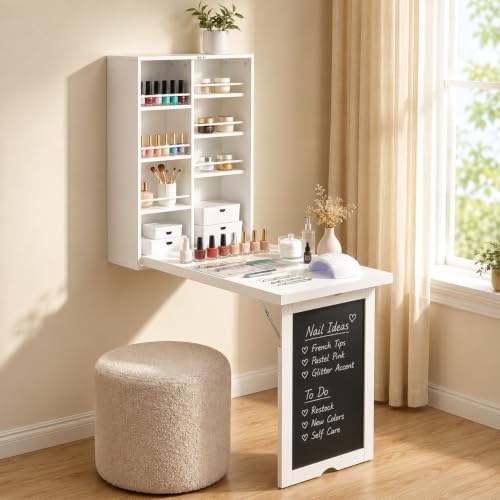
5. Use a Fold-Down or Murphy Desk
A fold-down desk is almost like having a disappearing office. When you need it, you open the surface and have a functional workstation. When you finish, you fold it away and recover the floor and visual space.
This makes the idea especially attractive for studio apartments where the same area may need to function as an office in the morning and a dining or living area later. Some fold-down desks also incorporate shelves or cabinet-style storage, allowing office supplies to stay hidden when the unit is closed.
When selecting one, pay attention to the open depth and height of the work surface. A desk that looks compact when closed can still require significant clearance when opened. You should also consider whether your chair can be stored nearby without blocking another part of the apartment.
For laptop-based work, a fold-down desk can be nearly perfect. Add a small nearby shelf for headphones, chargers, notebooks, and other essentials, and you have a complete workstation that can practically vanish at night.

6. Build an Office Around Vertical Storage
When you cannot spread outward, build upward. Vertical storage is one of the most powerful strategies for a studio apartment because walls offer storage potential without taking additional floor area.
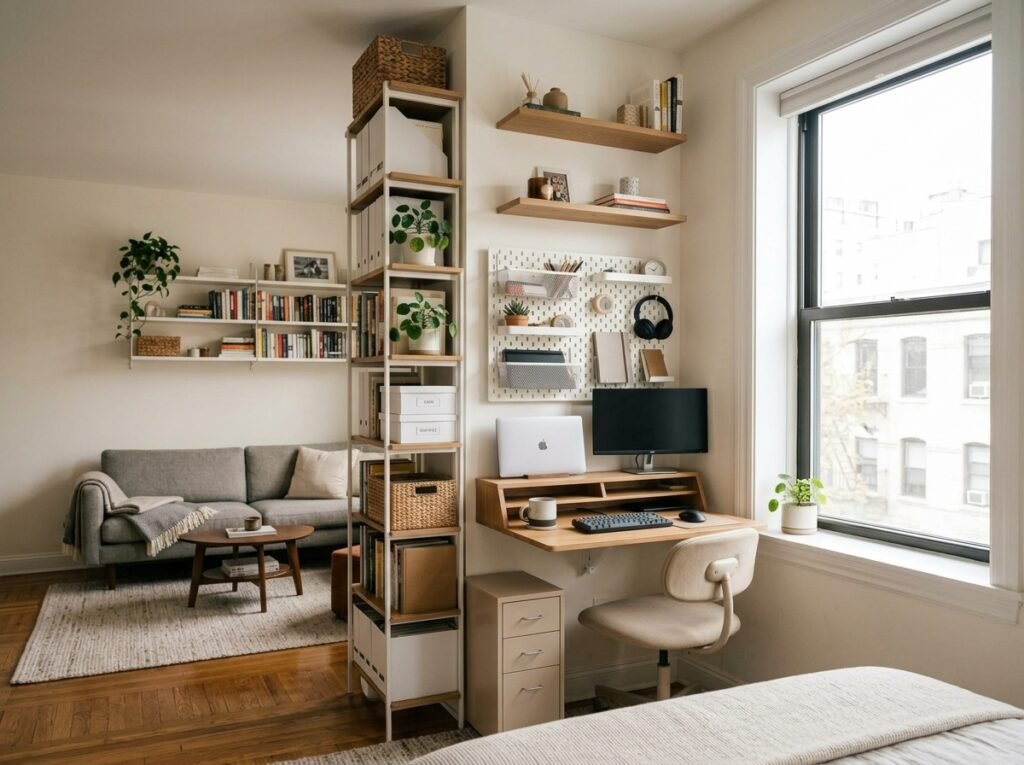
A narrow bookcase, floating shelves, pegboard, or wall organizer can dramatically increase the amount of useful storage around a small desk. The trick is to organize vertically without creating visual heaviness.
Put frequently used objects within easy reach and less frequently used supplies higher up. You can also use matching containers or boxes to hide visual clutter.
A tall shelving unit can sometimes do double duty as both storage and a room divider, creating an office zone without completely blocking light. Keep the lowest section of shelving relatively open if possible because visible floor space helps the studio feel larger.
If you have a tall ceiling, extend storage upward rather than buying a wider cabinet. A narrow vertical unit can hold an impressive amount while maintaining a smaller footprint.


Smart Storage for Small Workspaces
The best storage solution is usually the one that prevents your desk from becoming the storage solution. If notebooks, chargers, receipts, stationery, headphones, and cables all live on the desktop, even a beautiful desk will quickly look chaotic.
Instead, give every category a home. A small drawer can hold charging cables, a vertical file holder can manage papers, and a shelf can store books and notebooks. You can also use attractive boxes to hide less attractive necessities.
In a studio apartment, closed storage is valuable because it reduces visual noise. Open shelves are useful for things you want to access quickly, but too many open shelves can make the apartment look cluttered.
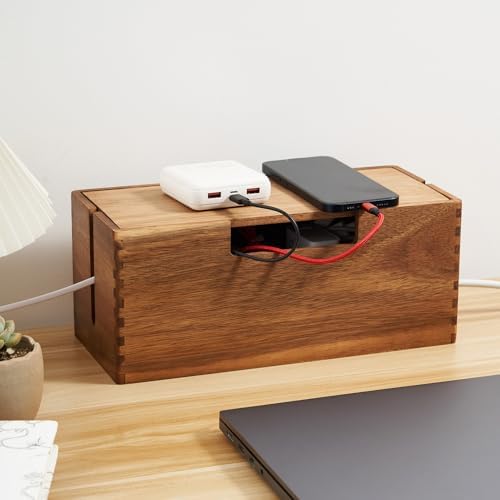
Try combining the two. Keep one or two shelves open for attractive objects and use baskets or boxes for everything else. Cable management deserves special attention because electronic equipment can create a surprisingly large amount of visual clutter.


7. Use a Window Nook for Natural Light
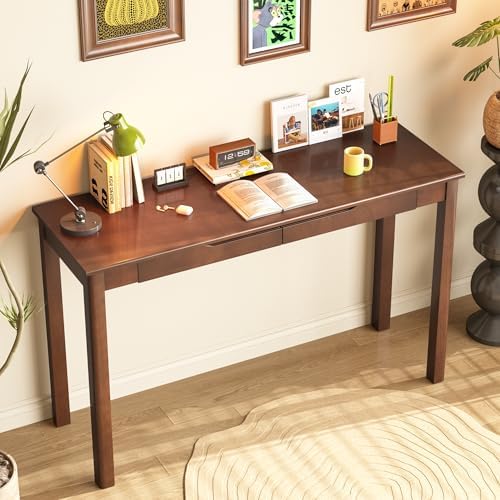
If your studio apartment has an unused area near a window, consider turning it into your office. Natural light can make a compact workspace feel brighter, more inviting, and less confined.
A narrow desk positioned near a window can provide a pleasant working environment while making an otherwise unused portion of the room productive. However, think carefully about screen glare and direct sunlight before committing to the layout.
Position the desk so daylight reaches the workspace without shining directly into the monitor. Curtains or blinds can provide additional control when the sun becomes intense.
You can also add a small plant to the windowsill or desk to introduce a touch of nature without consuming much space. If your window is narrow, choose a desk with minimal depth rather than trying to fill the entire area.
Pair the window desk with a comfortable chair and small task lamp for evening use. The result can feel more like a peaceful creative nook than a cramped office.


8. Choose Multifunctional Office Furniture
In a studio apartment, furniture should earn its square footage. A desk that also provides storage is more useful than a desk that offers only a flat surface. A shelving unit that can divide the room while holding books is better than a simple divider.
Multifunctional furniture gives you flexibility, which is especially valuable when your apartment serves several purposes simultaneously. A dining table that can comfortably function as an occasional workstation may even eliminate the need for a permanent desk.
Think carefully about your actual work habits before purchasing multifunctional furniture, though. If you work eight hours every day, converting a dining table into an office may become annoying because you have to rearrange it constantly.
If you work only a few hours a week, a multipurpose surface may be exactly what you need. The best choice depends on frequency, equipment, and how quickly you want the room to transition between activities.
Choose furniture that supports your routine rather than forcing your routine to support the furniture. In a studio, flexibility is not just a design advantage; it can be the difference between a space that feels comfortable and one that constantly feels overcrowded.


9. Separate Your Office With a Stylish Room Divider
You do not need to build a wall to make your office feel separate. A room divider can create a visual boundary while preserving the flexibility of a studio apartment.
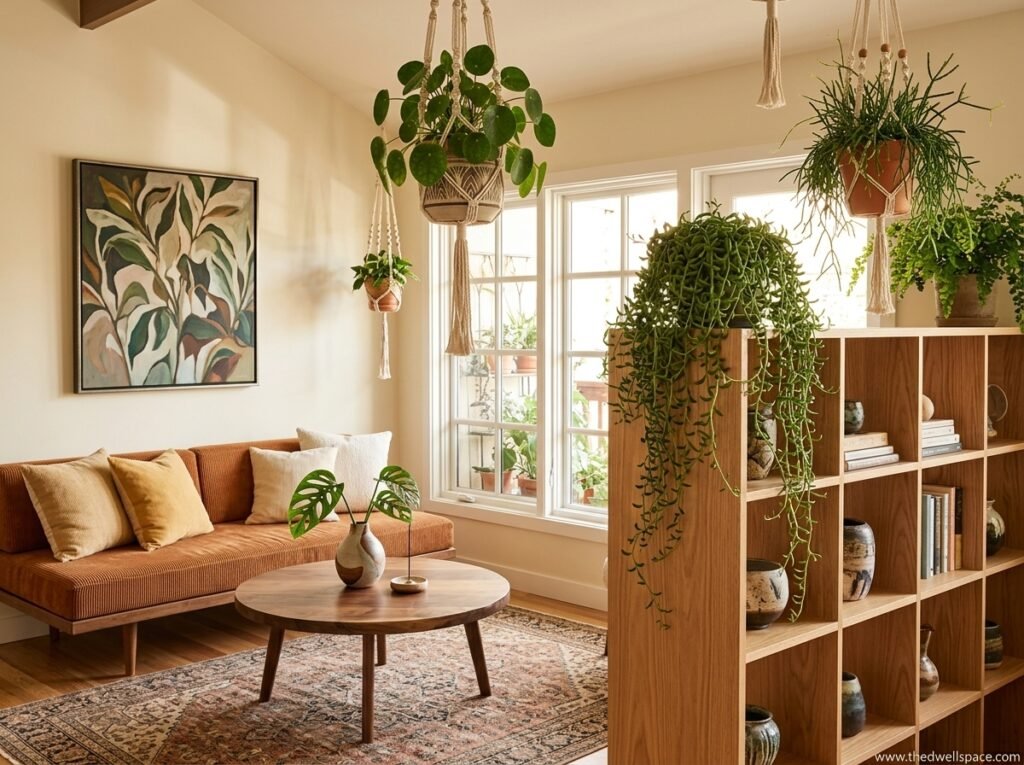
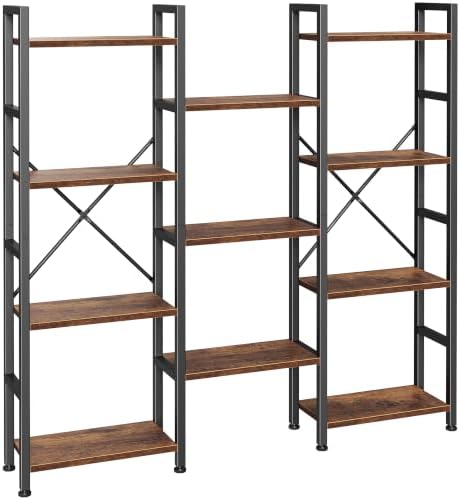
Options include open shelving, folding screens, curtains, slatted wood dividers, or lightweight panels. An open bookshelf can be particularly useful because it separates the office while providing storage on the same footprint.
Curtains are another flexible option because they can be pulled aside when you want the studio to feel completely open. The key is to choose a divider that allows some light to travel through the room.
A solid, dark partition can make a small studio feel even smaller. Semi-open furniture or lightweight screens generally provide separation without creating a heavy visual barrier.
You can also use a tall plant as a soft divider if you want something less architectural. Place the office on one side and your living or sleeping zone on the other, then reinforce the separation with a rug and dedicated lighting.


10. Create a Minimalist Hidden Office
Sometimes the best studio office is the one you barely notice. A minimalist hidden office focuses on reducing visual clutter so the workspace blends into the rest of the apartment.
Instead of buying a large office chair, enormous desk, multiple storage cabinets, and decorative accessories, start with the essentials: a suitable work surface, comfortable seating, task lighting, and enough storage for your actual needs.
Keep the desktop mostly clear and use concealed storage wherever possible. Choose furniture in colors that relate to the surrounding apartment so the office does not look like a separate room.
Minimalism does not mean your office has to be boring. You can add one beautiful artwork, a plant, a textured desk mat, or an attractive lamp to give the space personality.
The goal is to make every visible object feel intentional. At the end of the workday, put away the laptop, straighten the chair, and clear the surface. Suddenly, your office becomes part of the apartment again.


Conclusion
A studio apartment does not have to force you to choose between a comfortable home and a functional workspace. The secret is to stop thinking of a home office as a separate room and start treating it as a carefully designed zone within your existing space.
A compact corner desk can turn an unused area into a workstation, while a floating desk can preserve precious floor space. A closet can become a hidden office, the area behind a sofa can become a stylish work zone, and a fold-down desk can disappear when your working day is finished.
Vertical shelves, multifunctional furniture, room dividers, and minimalist storage can each solve a different problem without overwhelming the apartment. Most importantly, do not buy furniture before measuring your space and understanding how you actually live in it.
Your best office might be the place you have walked past every day without noticing. With a little planning, that forgotten corner can become a productive, attractive workspace that fits naturally into your studio rather than taking over your home.