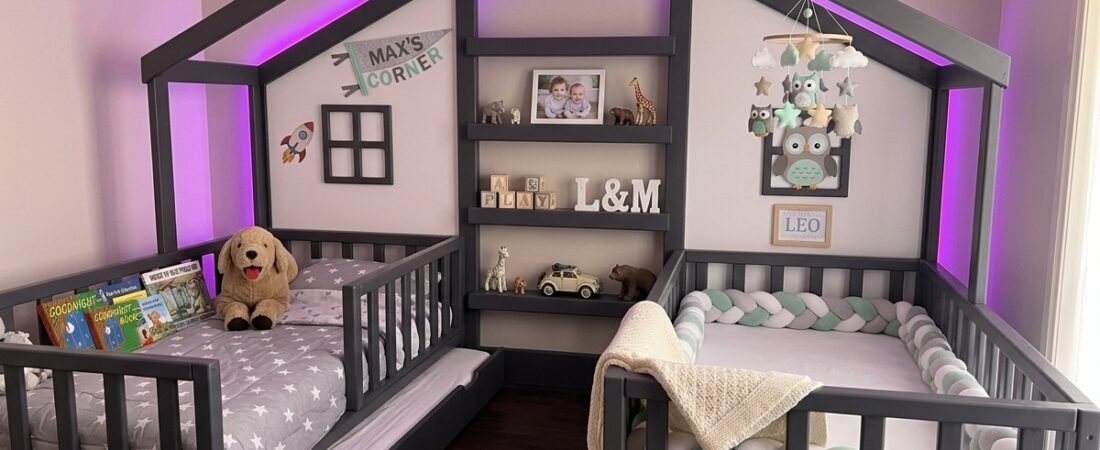
Creating a room for two children can be both exciting and challenging. When one child is a baby and the other is a toddler, preschooler, or older sibling, the room needs to serve very different needs at the same time. The best shared nursery and kids room ideas combine safety, organization, personality, and flexibility without making the space feel crowded.
A shared bedroom does not have to look perfectly matched. Instead, think about creating a room where both children have their own little area while still sharing a beautiful overall theme. With smart furniture placement, practical storage, soft colors, and a few personal touches, even a small bedroom can become a cozy place for siblings to sleep, play, and grow together.
Create Personal Zones for Each Child
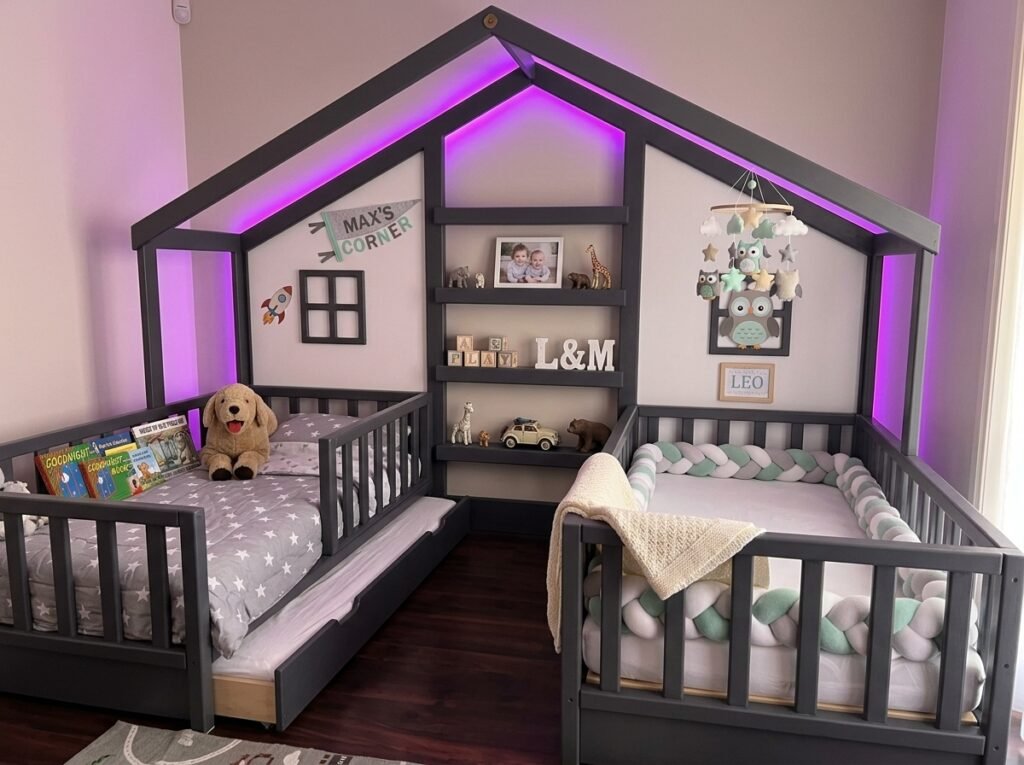
One of the easiest ways to make a shared bedroom work is to give each child a clearly defined zone. Children naturally want to feel that they have something that belongs to them, even when they share a room. You can create separate areas through furniture placement, bedding, wall decorations, rugs, or different accessories without physically dividing the room.
For example, place the baby’s crib and changing area together in one corner while positioning the older child’s bed, bookshelf, and toy storage in another. The room can still have one consistent color palette, but small differences can give each child a sense of ownership. A personalized name sign, favorite artwork, or different bedding can make the older child’s space feel special.
This approach is particularly useful when siblings have a noticeable age difference. The baby can have a calm nursery corner, while the older child gets a more playful area designed around reading, toys, or creative activities.
Choose a Flexible Color Palette
A shared children’s bedroom becomes much easier to decorate when you begin with a flexible color palette. Instead of choosing colors based entirely on age or gender, consider shades that can grow with both children. Cream, warm white, beige, sage green, dusty blue, soft gray, and natural wood are excellent foundations.
You can then introduce personality through smaller details. One child might have colorful cushions while the other has animal-themed artwork. This keeps the room visually connected without making everything identical.
Neutral walls are especially useful because they allow you to update decorations as the children grow. A nursery that starts with soft woodland accessories can eventually become a playful children’s bedroom simply by replacing artwork, bedding, and accessories.



Make Storage Work for Two Children
Storage becomes extremely important when two children share one bedroom. Two children mean twice the clothing, toys, books, blankets, shoes, and everyday accessories, so organization needs to be planned from the beginning.
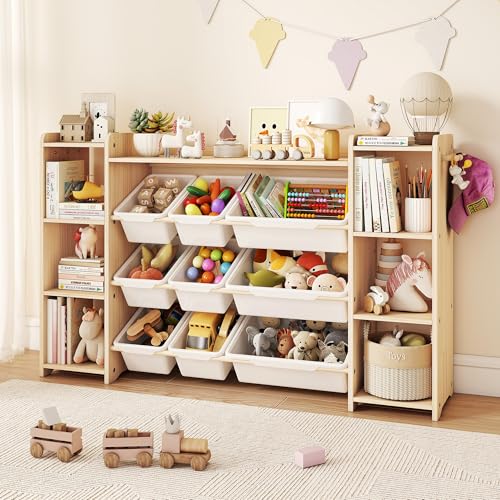
Instead of placing everything into one large storage area, give each child dedicated storage whenever possible. Separate baskets, drawers, shelves, and hooks can make it easier to keep belongings organized and teach older children where everything belongs.
Vertical storage is especially useful in smaller bedrooms because it takes advantage of wall space instead of consuming valuable floor area. Floating shelves can display books and decorations, while labeled baskets can hide toys and smaller items.
Under-bed storage can also be extremely useful for older children. Seasonal clothing, extra bedding, stuffed animals, or less frequently used toys can be stored underneath the bed while keeping the main room looking tidy.


Choose Space-Saving Furniture
Furniture selection can make or break a shared children’s bedroom. Before buying anything, measure the room and think carefully about walking space, doors, windows, storage, and where the children will actually play.
Choose furniture that performs more than one job when possible. A storage bench can provide seating while hiding toys, while a dresser can store clothes and double as a practical changing station when appropriately arranged.
For older children, compact desks, loft beds, or bunk beds can eventually create additional floor space. However, furniture should always be appropriate for the child’s age and used according to the manufacturer’s safety instructions.
For a nursery area, prioritize safe sleep equipment rather than filling the room with unnecessary furniture. A simple crib, changing station, and small storage solution may be all you really need.
Create a Safe Nursery Corner
When a baby shares a bedroom with an older sibling, safety should always come before decoration. The baby’s sleep area should remain uncluttered and separate from toys, stuffed animals, pillows, and other objects that could enter the sleep space.
The American Academy of Pediatrics recommends placing babies on a firm, flat sleep surface with a fitted sheet and keeping loose bedding, pillows, toys, and other soft objects out of the sleep area. (HealthyChildren.org)
This is particularly important in a shared room because older children’s toys can easily migrate across the bedroom. Keep the crib or bassinet clearly defined as the baby’s sleep zone and encourage older siblings to keep toys outside that area.


Use a Simple Room Divider
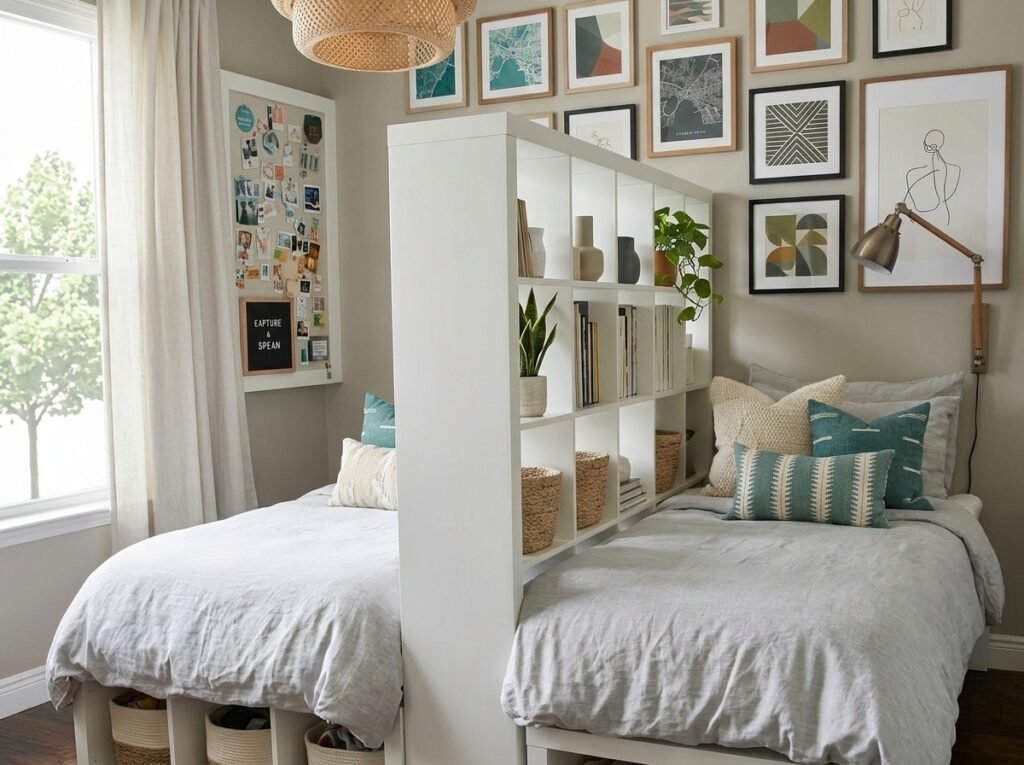
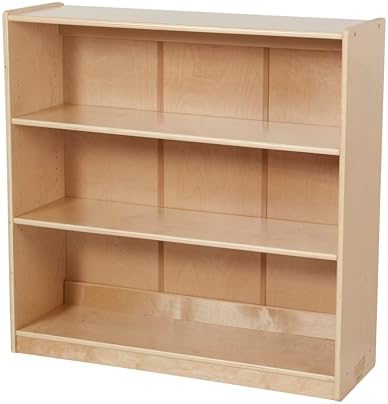
You do not need to build a wall to make two children feel that they have separate spaces. A low bookshelf, open storage unit, curtain, canopy, or even a large rug can visually divide the room.
A low bookcase is particularly practical because it can act as both a divider and storage. Just make sure furniture is properly secured and positioned according to safety recommendations.
Curtains can create a softer separation and are useful when you want the room to feel flexible. They can remain open during the day and provide a visual boundary when one child needs a quieter environment.
Mix Shared and Personal Decor
A shared room looks more intentional when some elements are repeated throughout the space. You might use the same wood finish, wall color, lighting style, or bedding pattern while allowing each child to personalize smaller details.
For example, both children could have matching wooden furniture, but each child could choose different artwork. One might have dinosaur prints while the other prefers stars or animals. The result feels coordinated without becoming overly identical.
Personal touches can also be inexpensive. Framed artwork, name signs, favorite books, colorful cushions, and small baskets can completely change the personality of a child’s corner without requiring a full room makeover.
Create a Shared Play Area
If the room has enough floor space, leave one central area open for play. This can be more valuable than filling every corner with furniture.
A soft rug can define the play area and make the room feel warmer. Place a small collection of age-appropriate toys nearby so children can reach their favorites without scattering everything across the bedroom.
For a shared nursery and kids room, think about how the play area will change as the children grow. A baby may eventually use the space for crawling and floor play, while an older sibling might use it for puzzles, drawing, building blocks, or reading.
Plan for Different Ages
One of the hardest parts of sharing a room is decorating for children who are at different developmental stages. A baby needs a safe sleep environment, while an older child may need space for toys, books, clothes, and creative activities.
The solution is not to make the entire room look like a nursery. Instead, create a timeless foundation and add age-specific elements in easily replaceable areas.
Neutral furniture, simple walls, and versatile storage can remain in place for years. Bedding, wall art, toys, and accessories can change as the children grow.
This strategy saves money and makes future room updates much easier.


Keep the Room Calm and Clutter-Free
Shared bedrooms can quickly become visually overwhelming because there are more belongings in the same amount of space. The easiest way to prevent this is to avoid filling every available surface.
Choose a few meaningful decorations rather than displaying everything the children own. Rotate toys and seasonal accessories instead of keeping all of them out at once.
A calm room is especially helpful when the space combines a nursery with an older child’s bedroom. Soft lighting, organized storage, natural materials, and a limited color palette can make the room feel peaceful while still allowing plenty of personality.
Make the Room Feel Special Without Overspending
You do not need an expensive makeover to create a beautiful shared bedroom. Small changes can have a surprisingly large impact.
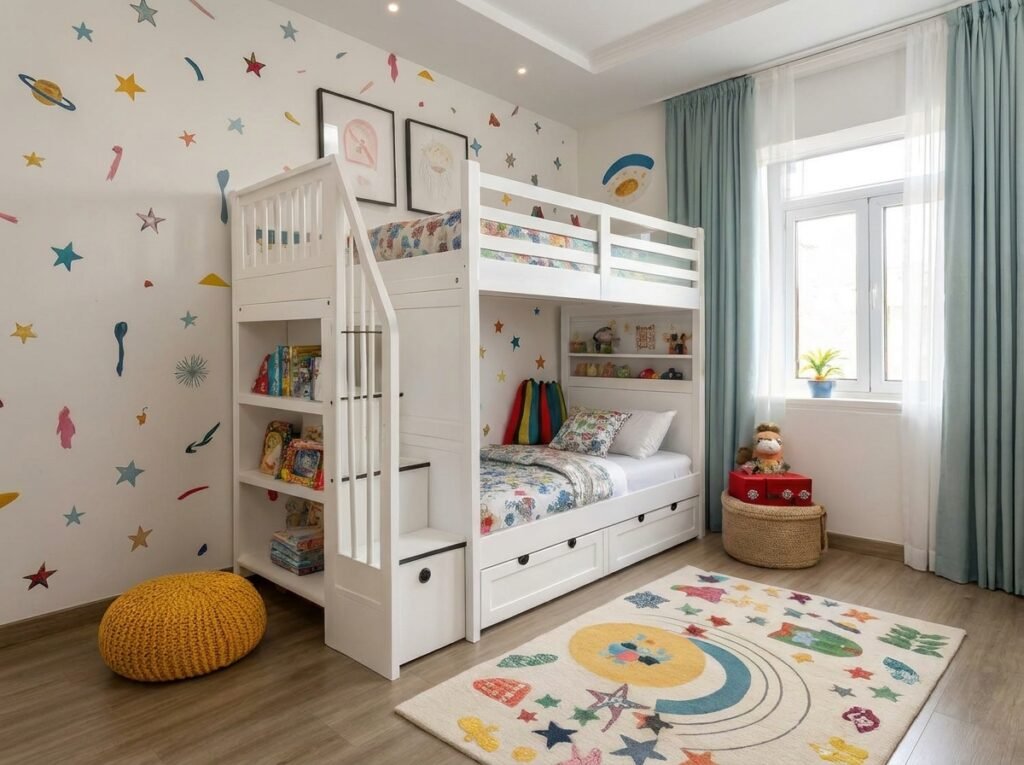
Start with the layout before buying anything. Move existing furniture around and see whether you can create better sleeping, storage, and play zones. Then add inexpensive details such as matching baskets, removable wall decals, framed prints, or new bedding.
The goal is not to create a picture-perfect room that looks like a showroom. The best shared kids’ rooms feel lived-in, comfortable, and practical. Children should have enough space to play and express themselves without parents constantly worrying about keeping every surface perfect.
Conclusion
The best shared nursery and kids room ideas balance practicality with personality. Give each child a recognizable personal zone, choose flexible colors, use smart storage, and keep the baby’s sleep area safe and uncluttered. A shared room can feel harmonious without requiring everything to match perfectly.
As children grow, their needs will change, so choose furniture and decorations that can adapt. With thoughtful planning, a single bedroom can become a comfortable space where siblings sleep, play, read, and create memories together.